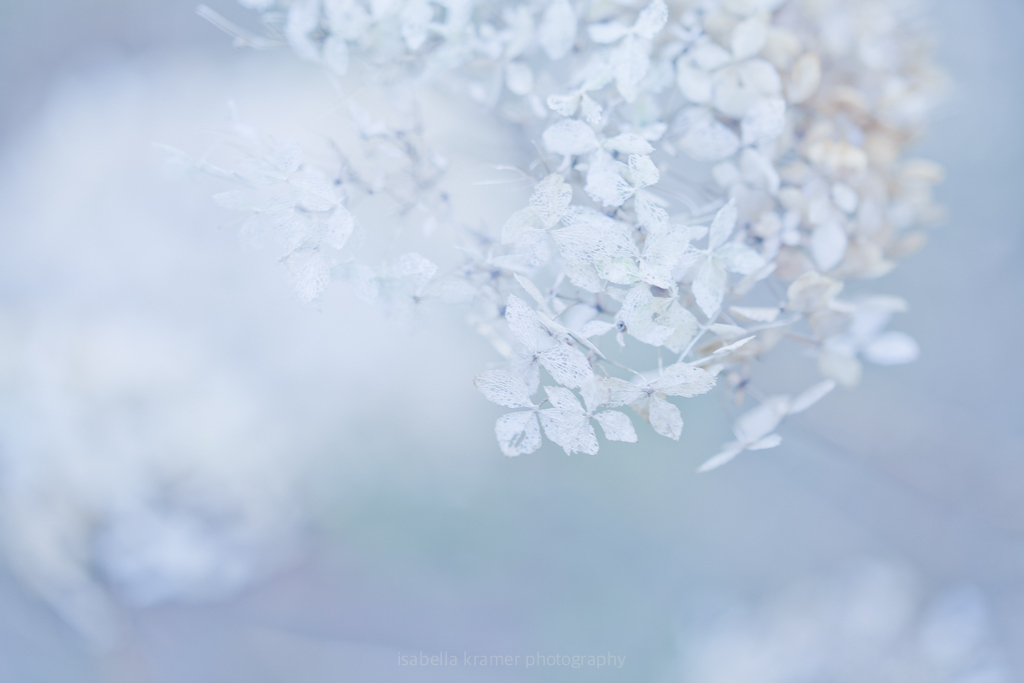
the blue blizzard
The Blue Blizzard
wolf moon
how tiny snowmen
save the world
snow and more snow
new wrinkles around
my eyes
frost nights
your smile doesn't reach
your eyes
snow-covered sails
the line you never cross
with me
veredit©isabella.kramer26
.
remaining nights
.
First publication by Prof. David McMurray on Asahi Haikuist 19. Deceember 2025
.
frosty night
ليلة شديدة البرودة –
ما الذي يقوله الإوز البري
بخصوصها
Translated into Arabic by Benjamin Johanna Daniel alantologia 27.03. 2024
photo copyright: Isabella Kramer
.
is there
.
is there a moon phase called lavender
veredit©isabella.kramer25
First publication by Prof. David McMurray on Asahi Haikuist 03. October 2025
photo copyright: Isabella Kramer
.
night whispers
nachtgeflüster all die unvorsehbaren kobolde
veredit©isabella.kramer
Erstveröffentlichung von Claudia Brefeld in haiga im focus #67 Januar 2024
photo copyright: Isabella Kramer
.
quarter moon
une lune de nuit
à l'envers à l'endroit
sur le bord du temps passe
©patrick lucas
Photo copyright: Isabella Kramer
.
fervent
fervent
I stretch my arms until my fingertips reach the edges of the thunderstorm
the hot kiss
of gods after midnight
by isabella.kramer
first published by Michael Rehling on FAILED HAIKU September 2020 issue.
nothing wrong with
published on weird laburnum 18.10.19
paved with stars
a quarter moon
filled with the night stars
this sea diver
©magyar
sleeping crows
"I enjoy the subtlety and epicness of this one. The crows are sleeping, and their various calls cannot be heard any longer, but the nightingale's echo (not song, but echo of it, which is important to note) still resounds. The nightingale exhibits many sounds while singing, like whistles, trills, and gurgles. And this echo of its song is underneath the expanse of the milky way.
Firstly, as a reader, I can say it is simply an exquisite image. But beyond that, we have a continuation of sound in the nightingale--and at night, when dangerous things are supposed to happen. The nightingale's song is loud and immensely beautiful and is a common subject for poetry because of its enamoring song.
Why is it important that it is an echo of the song rather than the song itself? I think because when we look up at the milky way, its distance is clear, but its beauty is still mesmerizing. The same could be said about the echo of a nightingale's song.
The nightingale as a kigo or seasonal reference is for all seasons. Comparing that reference with the seeming eternity of the Milky Way is poignant.
The colors are also important to mention. The milky way could be said to be white and the crows are black. Though we would associate the night with darkness, the bright milky way and the bright song of the nightingale fill it with a brilliant atmosphere. Readers might ask the question, "Is night really night?" And for that matter, "Is anything really as it is?"
I think Isabella used the "o" sound effectively with the ends of line 1 and line 3 being "crows" and "echo." Also notice the use of "l" with "sleeping" "milky" and "nightingale" which makes the haiku more musical.
A succinct but grand haiku by +Isabella Kramer."
by Nicholas Klacsanzky
Painting: Woodblock print by Ohara Koson (1887-1945) of a crow and blossom - created ca. 1910
further publication THE HAIKU FOUNDATION: EARTHRISE 2017
.

.jpeg)